Official launch & fundraising event — Saturday, 12 September 2026. View event details

Projects

Projects that protect dignity and independence

From immediate humanitarian relief to safer, more accessible community spaces.

Delivered and underway

Work we have already carried out, and projects running right now — with the before-and-after evidence behind them.

Project 3 · Ongoing · London

Mosque Fall Prevention & Accessibility Project

YADAMA is working with a London mosque to improve accessibility for older worshippers with reduced mobility and longstanding chronic pain. Following an Occupational Therapy assessment, support equipment has been supplied and fitted while the project continues to raise awareness of falls prevention and promote safe mobility within mosque facilities.

Partner with this project

Impact goals

  • Increase independence for older worshippers
  • Prevent falls and avoidable injuries
  • Promote a safe, accessible worship environment

What changed in the mosque facilities

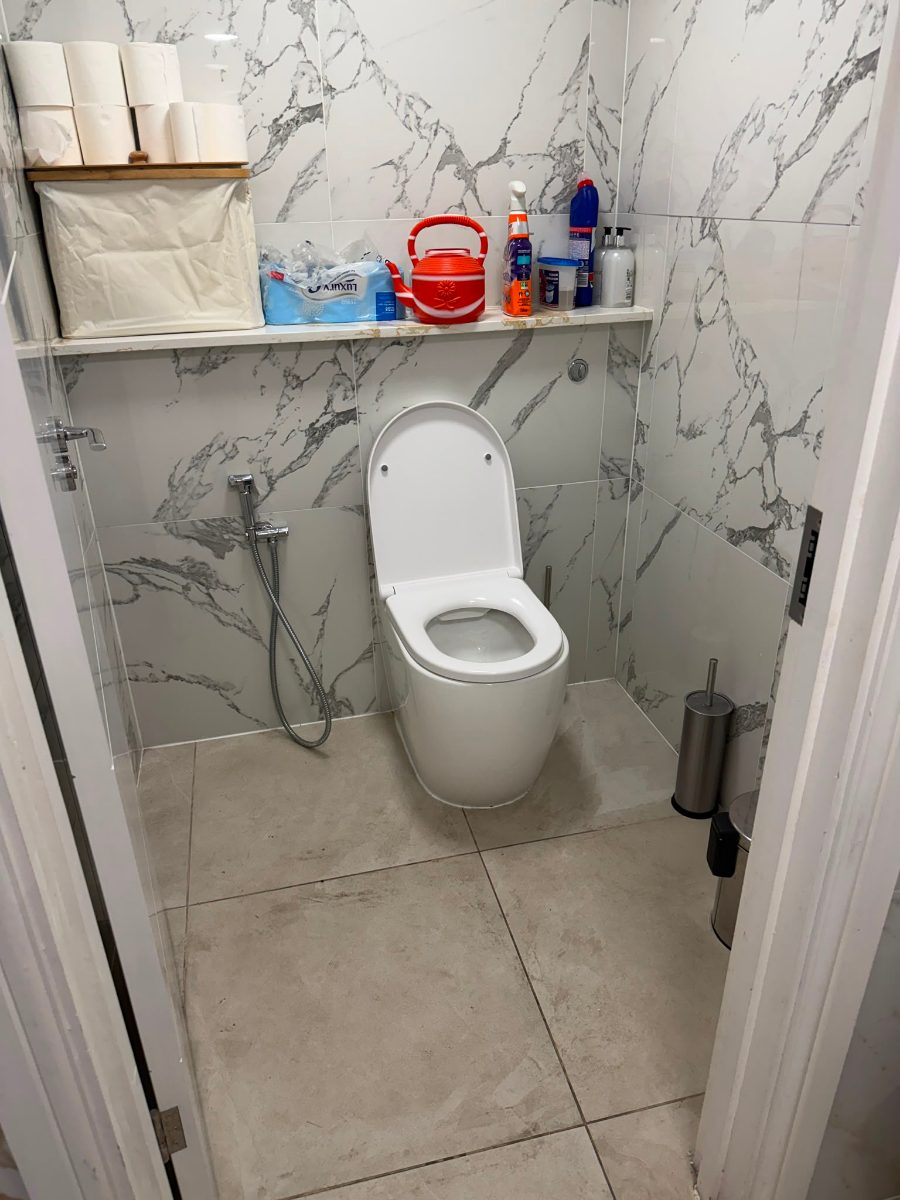
Accessible toilet

Before The mosque toilet cubicle before the project, with no support frame or rail beside the toilet
No rail or frame — worshippers with limited mobility had nothing stable to hold when sitting down or standing up.
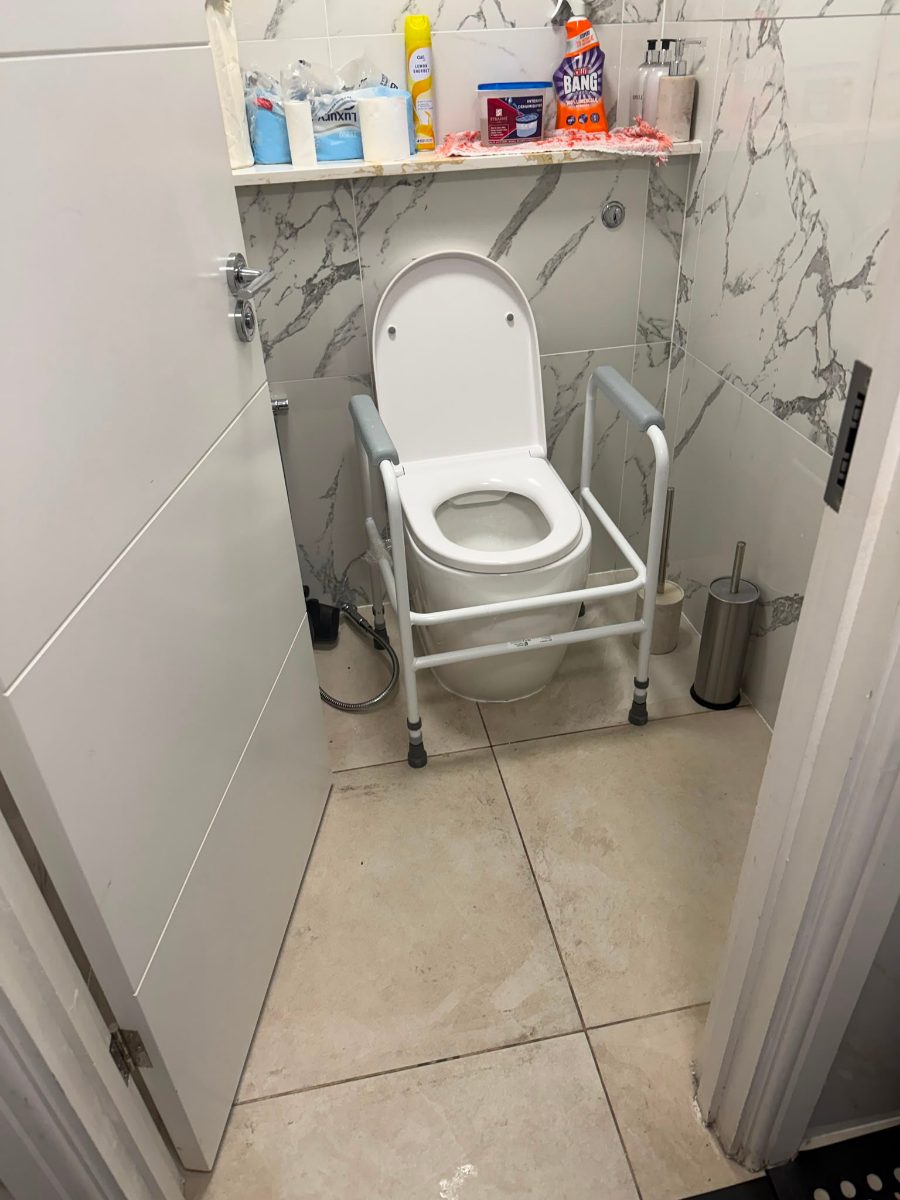
After The same cubicle after the project, with a height-adjustable toilet support frame fitted around the toilet
A height-adjustable support frame now gives a firm handhold on both sides for safer sit-to-stand transfers.

Wudu area

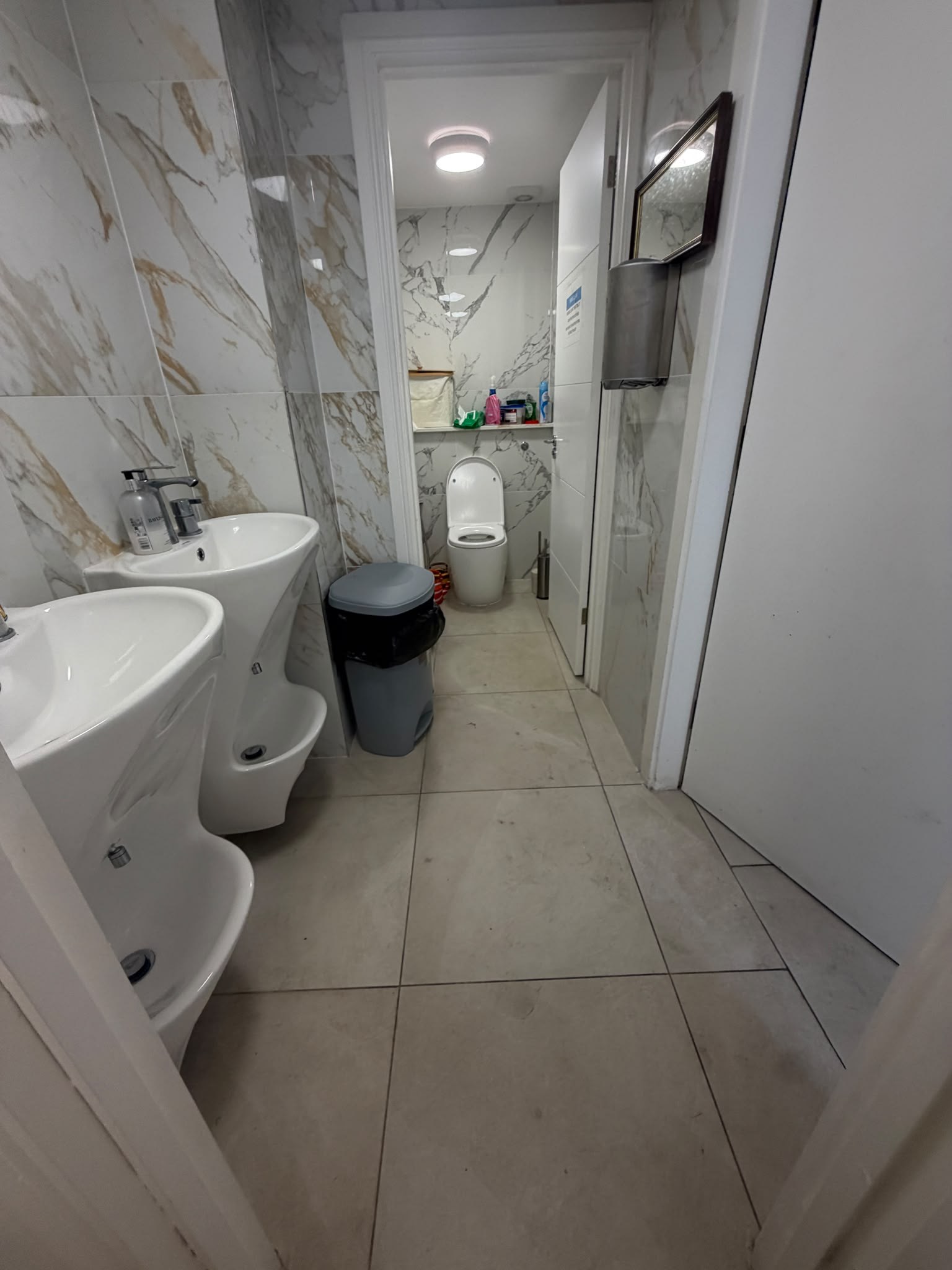
Before The mosque wudu area before the safety improvement, with an uncovered tiled floor
The uncovered tiled floor could become slippery when wet, increasing the risk of a fall during wudu.
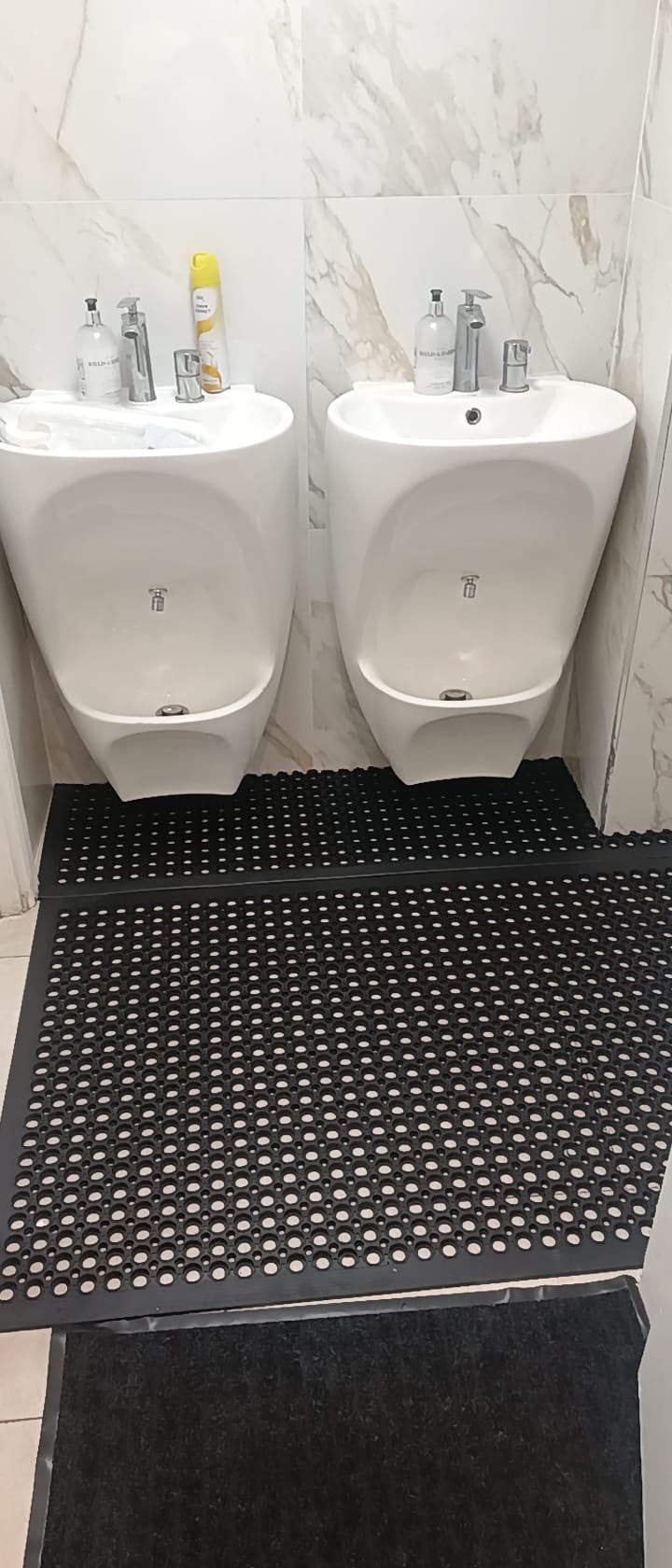
After The mosque wudu area after black anti-slip rubber matting was fitted around the washing stations
Anti-slip rubber matting now provides a more secure surface around the washing stations.

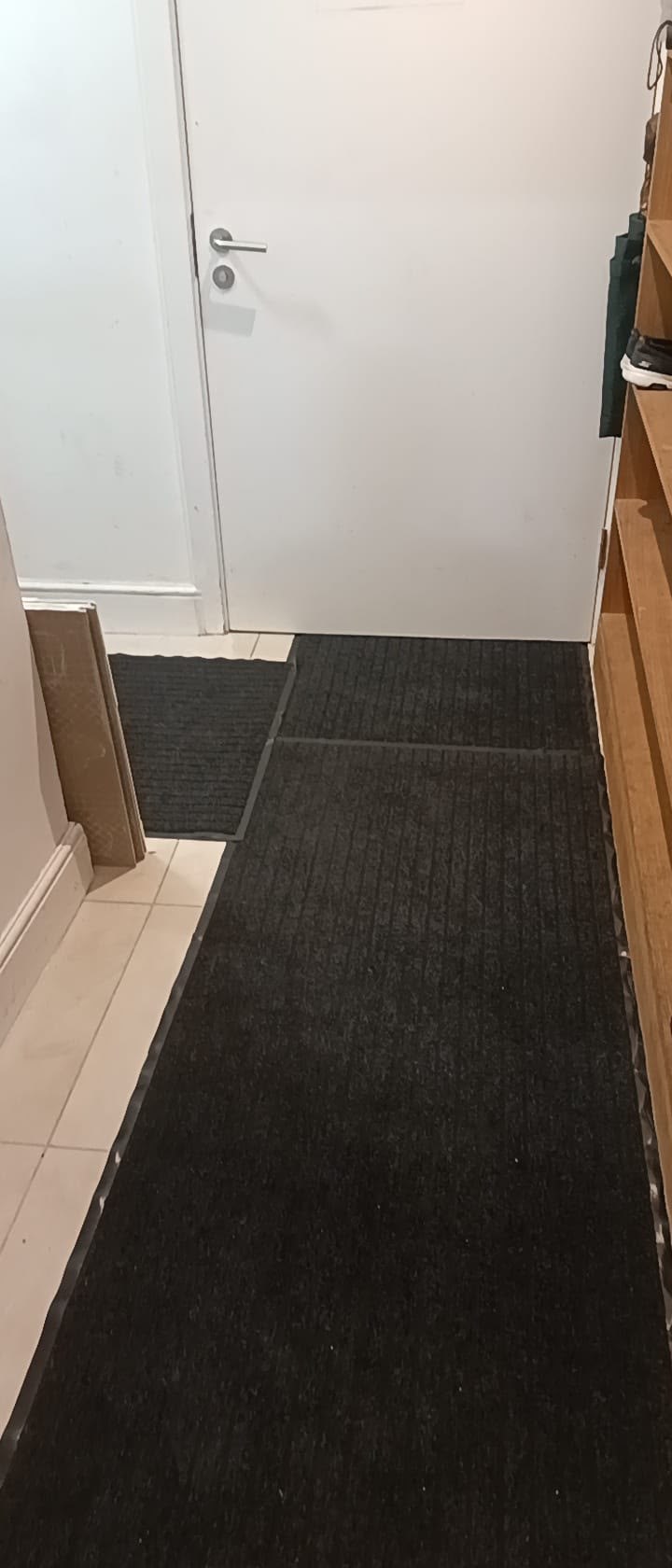
Hallway

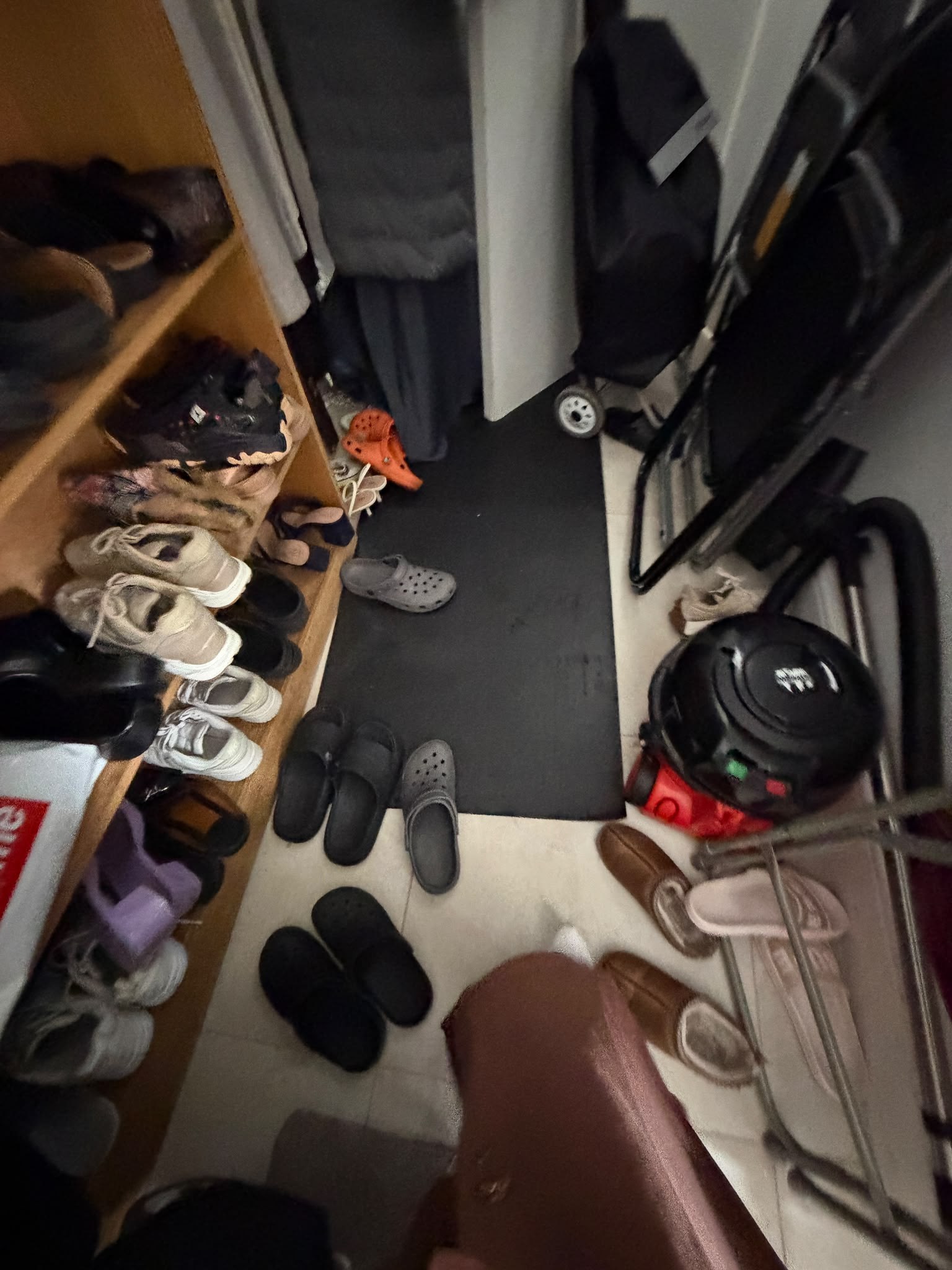
Before The mosque hallway before the safety improvement, with shoes and mobility equipment obstructing the walking route
Shoes, mobility equipment and loose items narrowed the route and created several potential trip hazards.
After The mosque hallway after it was cleared and covered with a continuous dark floor runner
The route is now clearer, with a continuous floor runner providing a more stable walking surface.

Who the project supports

  • Older worshippers
  • People with arthritis affecting the hands, fingers, wrists or knees, and those experiencing hip or shoulder pain
  • People with mobility difficulties
  • People recovering from a stroke
  • Anyone at increased risk of falling

Risks identified

An informal observation identified several environmental hazards:

  • Wet flooring in toilet and ablution areas
  • No non-slip mats or grab rails
  • No emergency call system in toilet facilities
  • Unstable folding chairs without armrests, increasing risk during sit-to-stand transfers

Proposed interventions

  • Complete an Occupational Therapy environmental assessment
  • Provide non-slip mats in key areas
  • Recommend grab rails and drop-down support rails
  • Recommend high-back chairs with armrests for safer transfers
  • Install an emergency call-bell system
  • Provide fall-prevention education and practical advice

Expected outcomes

  • Reduced risk of falls and avoidable hospital admissions
  • Greater independence and confidence for older users
  • Safer toileting and sit-to-stand transfers
  • Improved accessibility throughout mosque facilities
  • A safer worship environment that protects dignity and wellbeing

Delivered within one to two months

The assessment, recommendations and initial installation were completed within one to two months. The support equipment and emergency call-bell system are now in place, while accessibility monitoring and falls-prevention awareness continue.

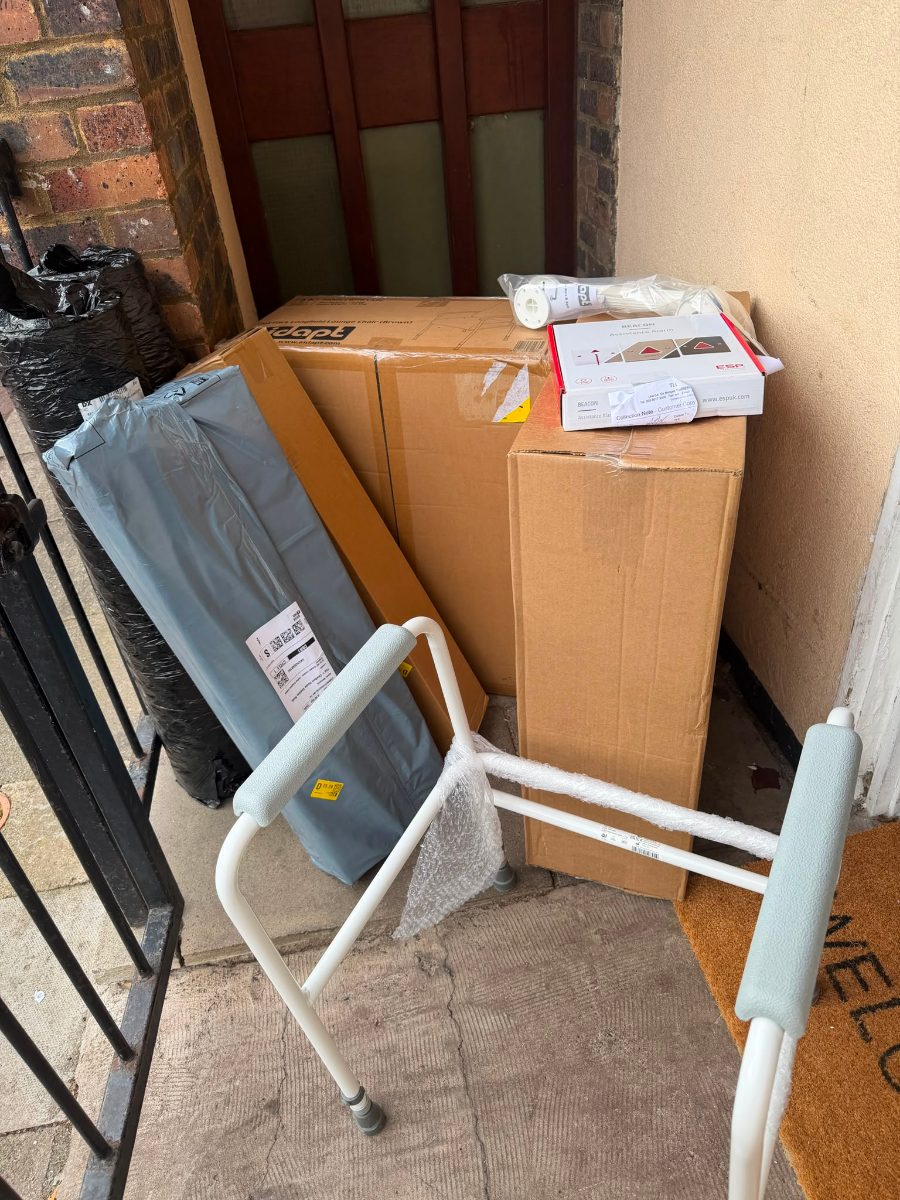
Safety equipment supplied for this project

Equipment delivered to the mosque: a toilet support frame, a boxed high-back lounge chair and an emergency assistance alarm
Delivery day — toilet support frame, high-back chair and the emergency assistance alarm.
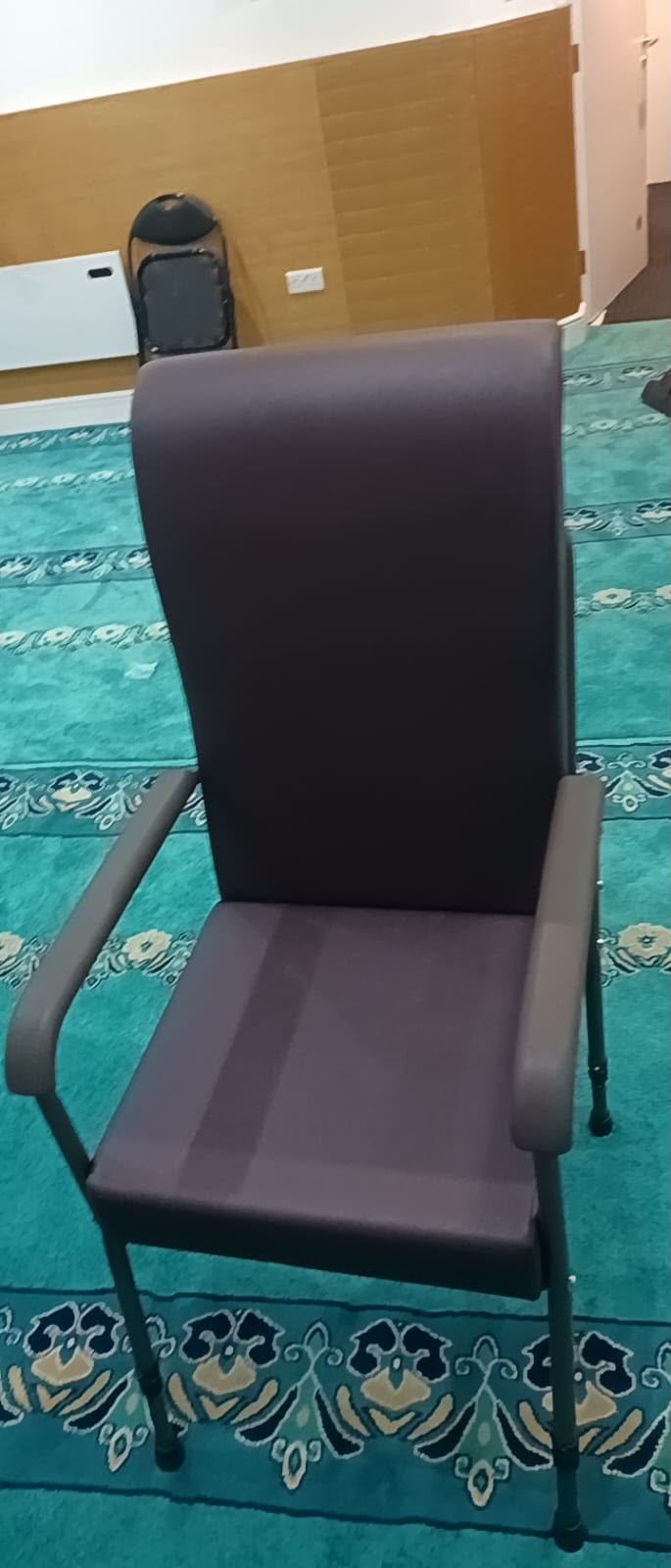
The supportive high-back chair with armrests provided for an older worshipper at the mosque

Supportive seating

One chair provided. Help us provide more.

YADAMA has supplied one supportive high-back chair with armrests for an older worshipper. More suitable chairs are needed so additional elders can sit, stand and worship with greater safety, comfort and confidence.

1 supportive chair provided for an older worshipper
Help provide more chairs

Supportive seating

High-back support chair

Price varies by model — see the current range

View at Essential Aids

Prices are indicative figures supplied for this proposal and may change. Final equipment selection and installation should follow the Occupational Therapy environmental assessment and confirmation of suitability with the mosque.

First distribution completed — 27 February 2026

Ramadan Food Distribution 2026

27 February 2026 Sierra Leone Port Loko & Freetown

Campaign Progress

100
Food packs
200
Hot meals
2
Communities served
2026 programme delivered Completed

The 2026 programme delivered food support in Port Loko and hot meals in Freetown.

Between February and March 2026, YADAMA distributed 100 Ramadan food packs to vulnerable older adults in Port Loko District.

The programme also served 200 hot meals — Jollof rice, chicken and bottled water — to people experiencing homelessness, people who are blind, and people living with disabilities in Freetown.

Who we're serving

Widows

Women raising families alone, with limited income and no financial support.

Elderly

Older residents living alone, unable to work, and without regular access to food.

Disabled Families

Households where disability limits earning potential and access to resources.

Campaign Timeline

January 2026

Campaign launched

Fundraising begins. Community mobilisation and volunteer recruitment.

27 February 2026

First distribution day

Food packs began reaching vulnerable older adults in Port Loko District.

March 2026

200 hot meals served

People experiencing homelessness, blindness and disability received hot meals in Freetown.

Ramadan 2027

Next annual campaign

Expansion to more than 200 beneficiaries across two villages in Sierra Leone.
Share This Campaign

Help us reach more donors by sharing on social media.

Future projects

Our long-term direction is rehabilitation and independence. Alongside it we plan seasonal humanitarian support, developed according to identified need, available funding and appropriate partnerships.

September 2026 · London

Official Launch & Fundraising Event

Introducing YADAMA to the community, sharing our story and vision, showcasing completed projects, raising awareness of rehabilitation and Occupational Therapy, and building partnerships and community support.

Funds raised will support carefully planned projects in the United Kingdom and Sierra Leone, subject to available resources and appropriate project planning.

December 2026 · Sierra Leone

Christmas Community Outreach

Providing clothing and essential supplies to vulnerable people using donated goods and resources collected through supporters in the UK. Potential beneficiaries include people experiencing homelessness, children living in orphanages, vulnerable families, and older and disadvantaged individuals.

Our goal: to provide practical assistance while bringing warmth, dignity, compassion and hope during the festive period.

A supporting humanitarian activity, not a replacement for our long-term rehabilitation focus.

February 2027 · Sierra Leone

Ramadan Community Outreach Programme

Expanding our Ramadan food distribution programme and providing practical support to vulnerable individuals and families. The programme may expand to more than 200 beneficiaries across two villages.

Our goal: to extend humanitarian support during Ramadan while promoting dignity, compassion and community wellbeing.

Subject to available funding and project planning.

2027 · Date TBC · Sierra Leone · Primary focus

Stroke & Neuro-Rehabilitation Resource Project

YADAMA aims to develop a pilot rehabilitation resource project supporting selected hospital stroke rehabilitation services in Sierra Leone.

The initial concept is to provide up to 50 Neuro-Rehabilitation Resource Packages, subject to clinical advice, appropriate partnerships, funding and assessment of local needs.

Potential resources may include:

  1. Resistance therapy bands
  2. Soft hand exercise balls
  3. Therapy putty
  4. Illustrated home exercise resources
  5. Stroke and caregiver education materials

The contents of each package will be reviewed with appropriate rehabilitation professionals to ensure that resources are safe, suitable and relevant to the individuals receiving them.

Our Goal

To support rehabilitation services with appropriate practical resources and education, helping stroke survivors and their caregivers work towards greater independence in everyday activities.

Beyond equipment distribution

Our long-term aim is to develop this project further by exploring:

  • Rehabilitation education
  • Caregiver support
  • Professional partnerships
  • Community rehabilitation
  • Occupational Therapy awareness
  • Follow-up and evaluation
  • Sustainable rehabilitation programmes

Date to be confirmed · Supporting initiative

Mother & Baby Support

YADAMA may also support vulnerable mothers and newborn babies where there is a clearly identified need and a suitable partnership.

Potential support may include:

For babies

  • Baby clothing
  • Baby blankets
  • Baby wipes
  • Baby toiletries
  • Nappies, where available

For mothers

  • Maternity sanitary pads
  • Personal hygiene essentials
  • Toiletries
  • Appropriate postnatal essentials

Our Goal

To provide practical and compassionate support to mothers and newborn babies experiencing financial hardship during the early postnatal period.

Any future mother and baby project will be developed according to identified needs, available funding and appropriate partnerships. This is a supporting community initiative rather than YADAMA's primary rehabilitation programme.

Our long-term rehabilitation vision

Our ambition is to develop sustainable rehabilitation programmes that address the wider needs of people living with disability and those recovering from stroke and neurological conditions. Over time, we aim to explore:

  1. Rehabilitation services

    Supporting access to appropriate rehabilitation for people who currently have limited options.

  2. Stroke & neuro-rehabilitation

    Developing programmes that support stroke survivors and people living with neurological conditions.

  3. Occupational Therapy awareness

    Increasing understanding of Occupational Therapy and its role in independence and participation.

  4. Rehabilitation equipment

    Supporting access to appropriate and safe rehabilitation and assistive equipment.

  5. Education & training

    Supporting individuals, families, caregivers and, where appropriate, healthcare professionals with rehabilitation education.

  6. Accessibility

    Promoting safer and more accessible environments for people with disabilities and reduced mobility.

  7. Partnerships

    Working with hospitals, healthcare professionals, community organisations and other appropriate partners.

  8. Evaluation & sustainability

    Learning from every project, measuring impact and developing programmes that can be sustained over the long term.